How Professional Pest Control Services Protect Your Property Year-Round
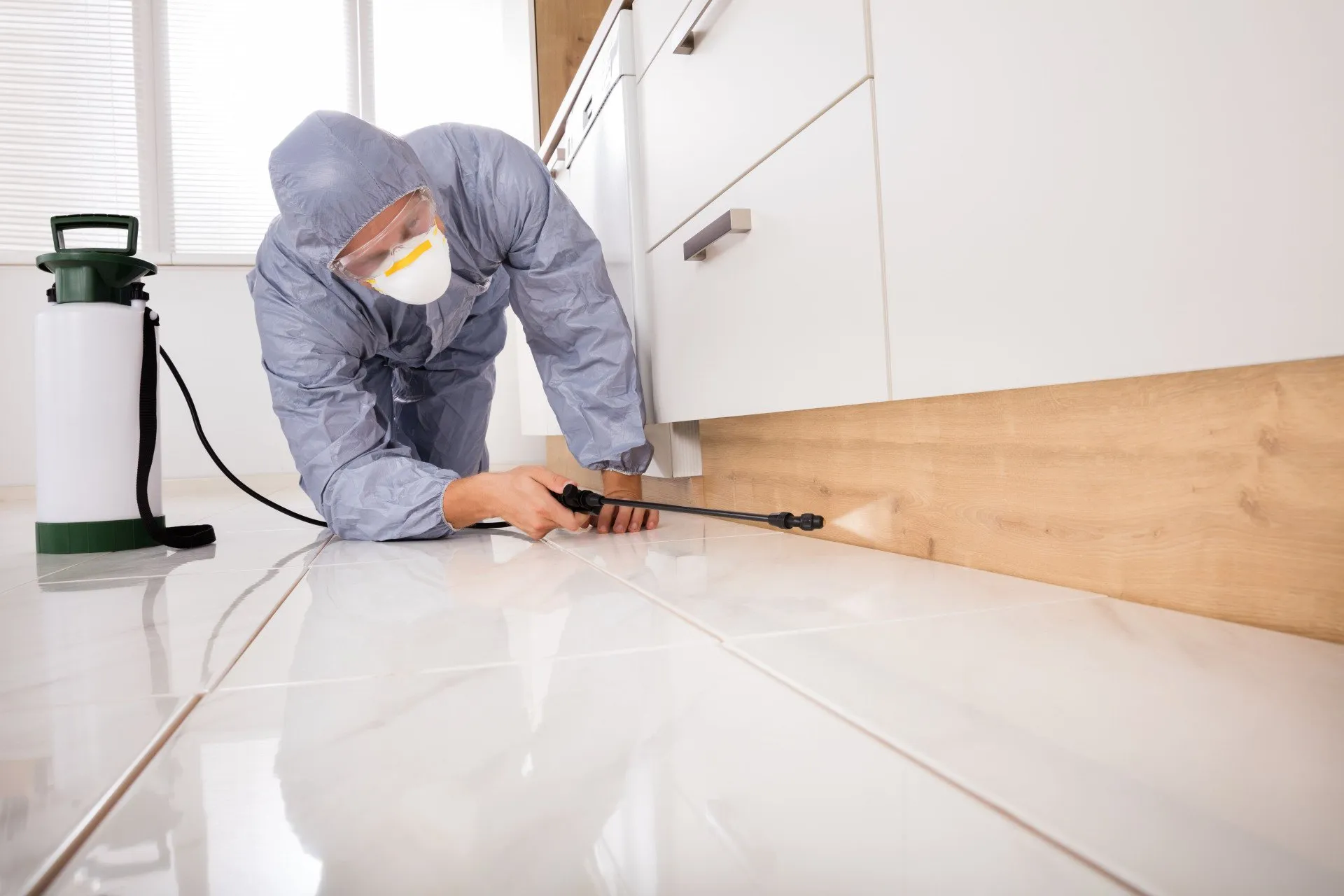

Property owners usually notice pests at the worst possible moment. A line of ants appears just before guests arrive. A scratching sound starts in the attic during a cold snap. A tenant reports roaches after a plumbing leak, and suddenly a small maintenance issue has turned into a reputation problem. By the time pests become obvious, they have often been active for weeks or months.
That delay is exactly why professional Pest Control Services matter. Effective pest management is not just about killing what is visible on a given day. It is about understanding how pests behave across seasons, how buildings invite them in, and how small weaknesses in structure, sanitation, moisture control, and storage create year-round pressure. The best providers do not simply react. They build a defensive system around the property and adjust it as weather, occupancy, and pest activity change.
For homeowners, that can mean avoiding structural damage, contamination, and repeat infestations. For commercial properties, it can protect inventory, preserve compliance, and reduce liability. For landlords and facility managers, it often means fewer emergencies and lower long-term costs. The value is not only in treatment, but in timing, inspection, judgment, and prevention.
Pests do not follow your calendar
One of the most common misconceptions in property care is that pest control is only necessary in warm months. It is true that many insects become more visible in spring and summer, but pest pressure does not disappear when temperatures drop. It shifts.
In early spring, colonies begin expanding. Ants start scouting for food and moisture. Termites may swarm, depending on region and species. Wasps begin building nests in eaves, soffits, sheds, and wall voids. If a technician catches those patterns early, treatment is simpler and usually less disruptive.
Summer brings its own set of problems. Higher temperatures speed up breeding cycles for many pests. Flies reproduce faster. Mosquitoes take advantage of standing water after storms. Cockroaches spread more aggressively in humid environments. In food service settings, summer is often when a minor housekeeping lapse turns into a serious infestation because pressure from outside rises so sharply.
Fall is when many pests start looking for shelter. Rodents are the classic example. As nights cool, mice can squeeze through gaps that look far too small to matter, sometimes no wider than a dime. Spiders, stink bugs, boxelder bugs, and cluster flies also move toward structures as temperatures fluctuate. Property owners often mistake this movement for a sudden problem, when in reality the pests are following a predictable seasonal migration.
Winter is quieter on the surface, but it is hardly pest-free. Rodents stay active indoors. Cockroaches continue breeding in heated buildings. Stored product pests can remain active in pantries, warehouses, and utility spaces. In some climates, termites remain active below ground all year and keep feeding whenever conditions allow. A warm mechanical room, a crawlspace with moisture, or an attic with food storage can support pest activity regardless of outdoor weather.
Professionals plan around these cycles. That is a major difference between isolated treatments and a year-round service strategy.
Inspection is where real protection starts
Good pest control begins long before any product is applied. The first job is interpretation. A trained technician reads signs most people miss: droppings shaped differently by species, grease marks along baseboards, soft soil lines near foundations, shed insect skins behind appliances, gnaw patterns on wiring or cardboard, moisture conditions around sill plates, or landscaping that bridges the exterior and interior.
This is not glamorous work, but it is where the money is saved.
I have seen homeowners spend heavily on store-bought sprays for ants, only to learn the real draw was a slow plumbing leak behind a dishwasher. I have seen warehouse managers blame incoming shipments for recurring rodent problems when the actual issue was a damaged door sweep and overgrown loading dock edges. Without inspection, treatment becomes guesswork. Guesswork is expensive.
Professional Pest Control Services typically assess far more than the immediate complaint. They look at foundation lines, attics, crawlspaces, utility penetrations, garages, drainage patterns, trash handling, storage conditions, and signs of previous treatments. They also ask practical questions. Has there been recent construction nearby? Any new mulch beds? Water pooling after rain? Changes in tenant turnover? Pest pressure often increases after renovations, storms, or shifts in how a building is used.
The goal is not merely to identify the pest. It is to understand why the pest is there, how it entered, and what conditions are supporting it. Once those answers are clear, treatment can be targeted rather than broad and repetitive.
Prevention usually costs less than recovery
People tend to compare the cost of routine service with the price of doing nothing, but that is the wrong comparison. The real comparison is between preventive care and the cost of damage, contamination, emergency treatment, repairs, lost time, and repeat callbacks.
Termites are a good example. In the United States, repairs from termite damage can run into the thousands or much more, depending on how long the infestation went undetected and whether structural members were affected. Insurance often does not cover that kind of damage. A prevention plan or monitoring system looks much more reasonable when placed next to replacing framing, flooring, or trim.
Rodents create a different kind of financial risk. They contaminate insulation, foul stored goods, and chew wiring. That last issue is not overstated. Electricians regularly find evidence of gnawing in attics, crawlspaces, and behind walls. Whether or not it leads to fire, it creates real repair costs and operational headaches.
In restaurants, grocery operations, health care settings, and multifamily housing, the indirect costs can be even steeper. A single visible pest can trigger failed inspections, tenant complaints, negative reviews, or lost customer trust. Those consequences can outlast the infestation itself.
A year-round service plan spreads attention over time. Instead of waiting for a crisis and paying premium rates for emergency work, the property gets routine inspection, early intervention, and documentation. That approach is not just cleaner. It is usually cheaper over the life of the building.
Seasonal service protects different parts of the property in different ways
Not all pests threaten the same assets. Some target wood. Some go after food and waste. Some exploit moisture. Some simply need a warm void to nest and reproduce. A technician who works seasonally understands which parts of the property deserve extra attention at different times of year.
In spring, the exterior envelope often becomes the focus. Cracks in foundation lines, gaps around hose bibs, torn screens, and mulch piled too high near siding can all increase pest access. Treatments may be timed to intercept emerging activity before it reaches the interior. This is especially important for ants, termites, and stinging insects starting new nesting cycles.
By summer, moisture management becomes critical. Condensation around HVAC systems, clogged gutters, standing water in planters, and poor drainage can support mosquitoes, flies, and moisture-loving insects. In commercial kitchens and shared residential buildings, summer often reveals where sanitation routines have grown inconsistent. Warmer temperatures amplify every weakness.
Fall inspections often concentrate on exclusion. Door sweeps, attic vents, rooflines, crawlspace openings, utility penetrations, and garage thresholds all need close attention. Rodent prevention is often won or lost at the perimeter. A mouse does not need a dramatic opening. Small cracks and worn seals are enough.
Winter service tends to focus on hidden harborage areas. Attics, basements, boiler rooms, laundry spaces, and storage zones become more important. If a property has occasional winter pest sightings, that usually points to a stable indoor resource, not random chance. Ongoing service during colder months helps identify those protected environments before populations build.
This seasonal calibration is one of the strongest arguments for professional care. The building changes through the year, and pest pressure changes with it. A static, one-time approach misses too much.
The best treatments are rarely the most obvious ones
When people imagine pest control, they often picture heavy spraying. Modern professional practice is usually more selective than that. Broad treatment has its place in some situations, but the strongest results often come from a combination of methods chosen for the specific pest and property conditions.
A roach issue in a restaurant kitchen might call for targeted baits, crack-and-crevice treatment, sanitation corrections, and moisture control, rather than indiscriminate spraying across exposed surfaces. A rodent problem in a warehouse might require trapping, exterior baiting where appropriate, exclusion work, and changes to storage layout. A termite risk profile may call for soil treatment, bait stations, or a monitoring plan depending on construction type, infestation history, and local conditions.
Judgment matters here. Over-treating can be wasteful or disruptive. Under-treating can allow a population to rebound. Some pests also respond poorly to the wrong approach. Bed bugs, for example, require disciplined treatment planning and follow-up. Scattershot efforts often spread them further. German cockroaches can also become harder to control when amateur treatment interferes with bait acceptance or drives them into deeper harborages.
Professional Pest Control Services bring structure to those decisions. Technicians are not just applying products. They are selecting methods based on biology, access, safety, occupancy, and the level of infestation. That nuance is hard to replicate with retail products and internet advice.
Exclusion and habitat correction often matter more than chemicals
One of the clearest signs of a competent pest control program is how much attention it gives to the building itself. If the only recommendation is repeated treatment, something is missing.
Pests need entry, water, shelter, or food. Remove enough of those conditions and pressure drops dramatically. Seal enough of them and the property becomes far less attractive.
Small corrections often produce outsized results. Replacing a crushed door sweep can stop recurring mouse activity in a utility room. Extending downspouts and correcting drainage can reduce moisture insects around a slab foundation. Trimming shrubs away from siding can lower ant and spider movement. Reorganizing cardboard storage in a back room can cut down hiding areas for roaches. Even changing exterior lighting to reduce insect attraction can make a visible difference near entrances.
Property owners sometimes resist these recommendations because they feel unrelated to pest control. In practice, they are the core of pest control. Treatment handles current pressure. Exclusion and habitat correction reduce future pressure.
That is especially true in multifamily and commercial settings, where complete control depends on cooperation. A technician can reduce activity in one unit or one suite, but if leaking pipes, open chases, or unmanaged trash areas remain, the problem returns. The strongest providers know how to communicate these building-related risks clearly, without turning every service call into a sales pitch.
Year-round service is also about documentation and pattern recognition
Routine service creates a record. That record has practical value.
A good service history shows where activity has appeared before, which conditions were corrected, which treatments were used, how pest pressure changed by season, and where follow-up is needed. For a homeowner, that can help explain recurring issues and guide maintenance spending. For a business, it supports inspection readiness and operational consistency. For property managers, it can help settle disputes about whether a problem is isolated or building-wide.
Patterns rarely reveal themselves in one visit. They emerge over time.
A technician may notice that ant activity spikes after heavy rains on the north side of a house. A warehouse account may show repeated rodent pressure near a loading bay every fall. A hotel may see occasional drain fly complaints tied to low-use housekeeping closets. Those observations matter because they let the provider move from response to prevention.
Documentation also improves accountability. If recommendations were made to repair vents, manage dumpster placement, or address moisture intrusion, those notes create a paper trail. That helps owners and managers make informed decisions instead of relying on memory after a problem escalates.
Different properties require different strategies
A detached home, a restaurant, a medical office, and a distribution center do not share the same risk profile. One reason professional services are valuable is that they adapt to use, occupancy, and tolerance thresholds.
In residential work, the emphasis is often on family safety, comfort, and low-disruption treatment. Homeowners want pests gone, but they also want a plan that respects pets, children, gardens, and routine use of the space. The best service balances effectiveness with those realities.
Multifamily housing is more complicated. Shared walls, common plumbing lines, tenant housekeeping differences, and turnover create conditions where one untreated area can undermine the rest of the building. Service here requires communication, access coordination, and a realistic understanding that source control may involve more than one unit.
Commercial kitchens and food-handling spaces demand a tighter standard. Even low-level activity is unacceptable because of contamination risk and compliance pressure. Timing of service, product choice, documentation, and sanitation coordination all matter more. In these environments, pest control and operations cannot be separated.
Industrial and storage properties bring another set of issues. Dock doors, packaging materials, pallet storage, product rotation, and large footprints make inspections more demanding. The challenge is not only eliminating pests, but creating monitoring systems that can cover wide areas efficiently.
A provider who treats every property the same will miss these differences. A provider with real field experience adjusts the plan to match the building.
What property owners can expect from a solid service program
Not every pest control contract is created equal. Some plans are little more than scheduled applications. Others are far more thorough and useful.
A strong year-round program usually includes several core elements:
- Regular inspection of both interior and exterior risk areas.
- Targeted treatment based on observed activity, not routine overapplication.
- Recommendations for exclusion, moisture control, sanitation, and maintenance.
- Monitoring and follow-up to confirm that activity actually declines.
- Clear documentation of findings, actions taken, and next steps.
Those points may sound straightforward, but they make a measurable difference in outcomes. Without inspection, treatment becomes routine rather than responsive. Without follow-up, there is no way to know if the root cause was addressed. Without recommendations, the property remains vulnerable between visits.
Owners should also expect honesty. Some infestations resolve quickly. Others take time, especially in large buildings, cluttered spaces, or structures with unresolved maintenance issues. An experienced professional does not promise instant, permanent results where conditions do not support them. Instead, they https://cruzbpuv804.image-perth.org/same-day-pest-control-services-for-urgent-household-problems explain the timeline, the obstacles, and what cooperation is needed from the client.
Warning signs that should never be ignored
Many infestations become expensive because early signs were dismissed as isolated incidents. That is understandable. People are busy, and one insect or one dropping can seem minor. But certain clues deserve immediate attention because they often indicate hidden activity.
Among the most important are repeated sightings in the same area, especially during daylight for pests that prefer darkness; droppings in cabinets, attics, or utility spaces; hollow-sounding or damaged wood near trim or framing; grease marks along walls; unexplained odors in enclosed areas; and scratching, gnawing, or movement sounds in ceilings or wall voids. None of these signs proves a major infestation on its own, but each justifies inspection.
Timing matters. The earlier a provider is called, the wider the range of workable options and the lower the chances of secondary damage.
Why professional experience still matters in a market full of products
There is no shortage of over-the-counter sprays, traps, granules, and online advice. Some of these tools can help with minor issues. They are not useless. But products alone rarely solve persistent pest problems because pests live in systems, not in isolated moments.
A can of spray may kill the insects you see on the counter. It does not explain why they are there, whether the nest is in the wall, whether moisture under the sink is feeding the problem, or whether exterior conditions are sending new foragers inside every night. A snap trap may catch one mouse. It does not tell you where the gap is, whether there are more, or why the attic insulation now smells contaminated.
Professional pest control is really applied building science mixed with entomology and a fair amount of practical judgment. It takes pattern recognition, patience, and the ability to separate symptoms from causes. That is where experienced Pest Control Services prove their worth.
When the service is done well, the property feels different over time. Fewer surprises. Fewer emergency calls. Fewer recurring complaints. More confidence that the building is being watched by someone who knows what to look for before a nuisance becomes damage.
Year-round protection is not flashy. Most of its success is invisible, and that is the point. The best pest control work prevents the story from becoming memorable at all.
Affordable Pest Solutions LLC
Phone number: +19732299547
FAQ About Pest Control Services
How much does pest control charge?
For a standard 1,500-square-foot home, professional pest control charges generally average $100 to $300 for an initial visit, with ongoing monthly services running $40 to $75 per visit and one-time emergency exterminations costing $100 to $600, depending heavily on the specific pest and the severity of the infestation.
What is the hardest pest to get rid of?
Bed bugs are widely considered the hardest household pest to get rid of, closely followed by German cockroaches and subterranean termites.
What is included in a pest control service?
A standard pest control service includes a property inspection, targeted treatments, and prevention advice. It typically covers common pests like ants, spiders, and cockroaches, using sprays, baits, or traps.